

Written by:
Pablo Molina, Head of Specialized Services, Management, and BIM Design at Klinea Biotech & Pharma Engineering.
In pharmaceutical and biotechnology plants, design and construction account for only a small fraction of their life cycle. It is the Operation and Maintenance (O&M) phase that accounts for between 70% and 85% of the Total Cost of Ownership (TCO), with a useful life of 25–30 years[1].
This economic impact, combined with strict GMP regulations and the need for energy efficiency, is driving a transformation in asset management. Unlike the traditional practice of providing static documentation that quickly becomes obsolete, Industry 4.0 demands a paradigm shift. Here, BIM (Building Information Modeling) goes beyond design to become the backbone of the facility through a dynamic as-built model: a smart asset that fuels a management ecosystem that enhances product quality and patient safety.
The Foundation of Success: The Asset Information Model (AIM)
For BIM to provide a solid foundation for O&M and GMP compliance, its true value lies in the development of the Asset Information Model (AIM). This model arises from the combination of precise geometric information ( as-built model) and the parametric data needed to manage the plant. There are two fundamental approaches to consolidating this AIM, depending on the nature of the project:
- Proactive Evolution – Greenfield: The model is created during the initial engineering phases as a living organism, subject to constant updates throughout construction. Every on-site modification (such as adjustments to pipe routes or equipment placement) is recorded, ensuring traceability in real time. This prevents data degradation and eliminates the data gap between engineering and the end user in O&M.
- Scan-to-BIM – Brownfield: For existing facilities with outdated documentation, the technology Scan-to-BIM is a guarantee of reliability. Through terrestrial laser scanners (TLS), point clouds containing millions of coordinates are captured—a vital process in dense areas where manual measurement would be slow and prone to errors. The result is a model with millimeter-level precision that provides managers with a reliable framework for planning modifications, expansions, or maintenance, eliminating risks caused by a lack of accurate information.
Once the AIM is established, its integration with management platforms (CMMS or IWMS) through standards such as COBie ( Construction Operations Building Information Exchange)[2] transforms it into a Digital Twin. This dynamic virtual replica reflects the behavior of the physical asset in real time. Thus, when a user selects a piece of equipment in the Digital Twin, they instantly gain access to its technical specifications, maintenance history, calibration certificates, consumption data, and more.
Strategic Benefits of Digital Twin-Based Management
A centralized Digital Twin offers a competitive advantage with immediate benefits for the plant’s day-to-day operations.
Reducing Operational Inefficiency
Reports such as Autodesk’s *Business Value of BIM* indicate that maintenance staff spend up to a third of their workday searching for information (blueprints, manuals, or diagrams of hidden systems) that often cannot even be found. By using the Digital Twin as a single point of access, this search is instantaneous and contextualized, allowing technicians to focus on high-value tasks.
Safety and Risk Mitigation
Given the high density of equipment in these plants, the Digital Twin makes it possible, for example, to know exactly what is behind a wall before any work is carried out. This prevents accidental breaks in critical lines (purified water, steam, or data), thereby avoiding production shutdowns that could cost millions.
Data Integrity
In GMP environments, traceability is a mandatory legal requirement. The Digital Twin acts as the“single source oftruth,” ensuring that technical documentation matches physical reality. This eliminates conflicting versions of drawings across different departments—a recurring and critical issue in regulatory audits.
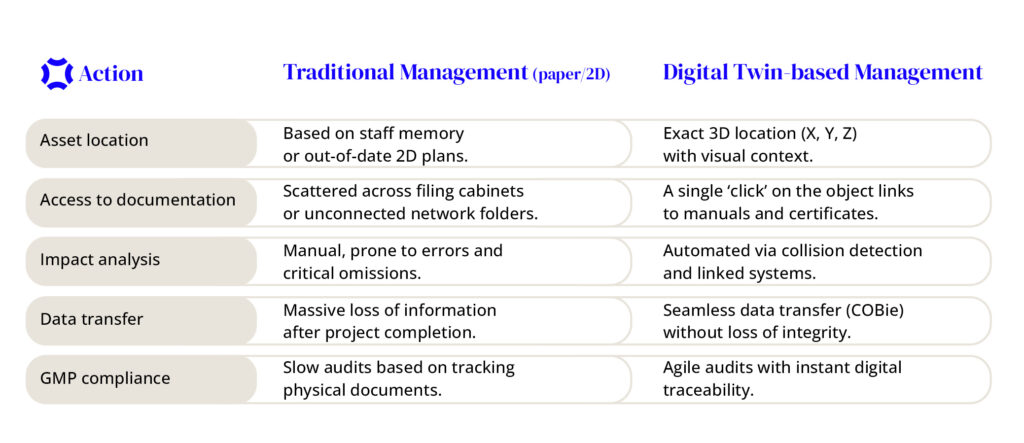
Figure 1. Differences Between Traditional Management and Digital Twin-Based Management
Advanced Maintenance
Maintenance in the pharmaceutical sector is an extension of quality assurance and leaves no room for improvisation. The use of a Digital Twin allows maintenance to be elevated to a higher level of sophistication.
Proactive Calibration Management
It is possible to set up geolocated visual alerts within the Digital Twin. For example, a probe in a critical bioreactor can change color as its calibration date approaches. Before a technician enters the cleanroom (with its strict dress code protocols), they can check their tablet to confirm the exact accessibility and the necessary tools, thereby minimizing the time spent in classified areas and reducing the risk of contamination.
Passivation and Replacement of Consumables
Critical fluid lines (WFI, pure steam, etc.) require periodic passivation. In the Digital Twin, alerts are automated based on actual usage or sensor data. Likewise, the replacement of HEPA filters or valve gaskets is scheduled based on their theoretical service life, including cross-referencing model data with warehouse inventory to optimize stock levels and accurately plan maintenance shutdowns.
Augmented Reality (AR) Applications
One of the most powerful applications of the Digital Twin is Augmented Reality. Using mobile devices or smart glasses, operators can view assets hidden behind panels or suspended ceilings. In facilities with a high density of equipment, knowing which valve to close without removing panels from a cleanroom drastically reduces downtime and the risk of compromising sterility.
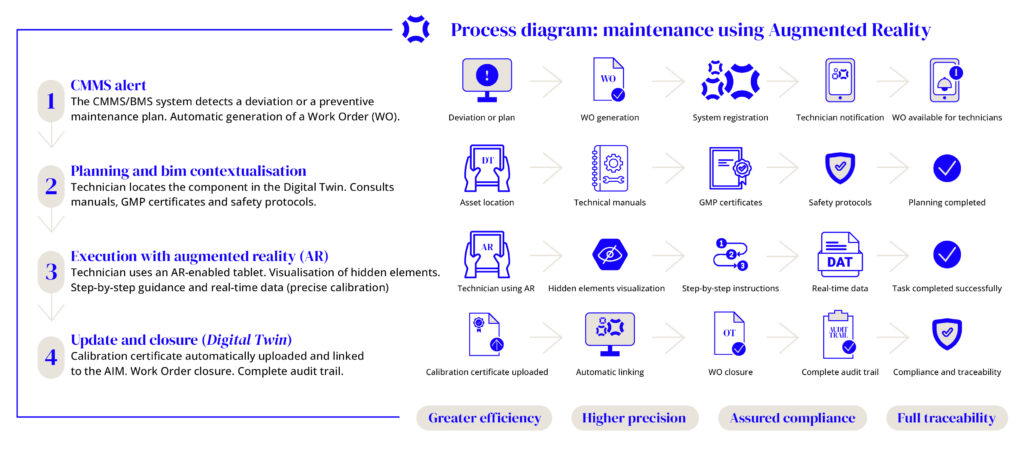
Figure 2. Process Diagram: Maintenance Using Augmented Reality
Smart Operation
Integrating the AIM with SCADA or BMS systems transforms static management into a dynamic operation through the Digital Twin, directly impacting plant efficiency.
HVAC System Control
Pharmaceutical plants require high energy consumption for heating, ventilation, and air conditioning (HVAC) to maintain constant pressures and air changes. The Digital Twin allows for the simulation of airflow and the application of “night mode” setpoints during periods of inactivity. This reduces air changes to the validated minimum without compromising the room’s classification, while monitoring any deviations in real time against the model.
Inventory and Flow Management
Integrating AIM with management systems optimizes logistics to an unprecedented degree. It facilitates visual monitoring of reactor filling or finished-product warehouse occupancy, coordinating material flows to prevent unintended cross-contamination that could compromise product safety.
BIM and Compliance with GMP/FDA 21 CFR Part 11 Regulations
This is arguably the most valuable aspect for the industry, where technical validation (IQ/OQ/PQ) typically requires weeks of manual review. The Digital Twin optimizes this process by:
Automated impact analysis: Whenever a change is made, the system instantly identifies the affected processes and the validation tests that need to be repeated, mitigating the risk of critical omissions.
Transparency in Audits: Displaying the plant’s status using a 3D model linked to calibration records demonstrates superior control to agencies such as the AEMPS or the FDA, thereby strengthening institutional trust.
Pre-audit virtual tours: Offering a guided tour through the AIM allows auditors to familiarize themselves with the layout and staff flow before the on-site inspection, thereby optimizing the time spent on-site in critical areas.
Staff Training: The Digital Twin allows operators to train and learn protocols in virtual environments that are identical to classified rooms, minimizing access to classified areas and thereby eliminating the risk of contamination and unnecessary expenses on consumables.
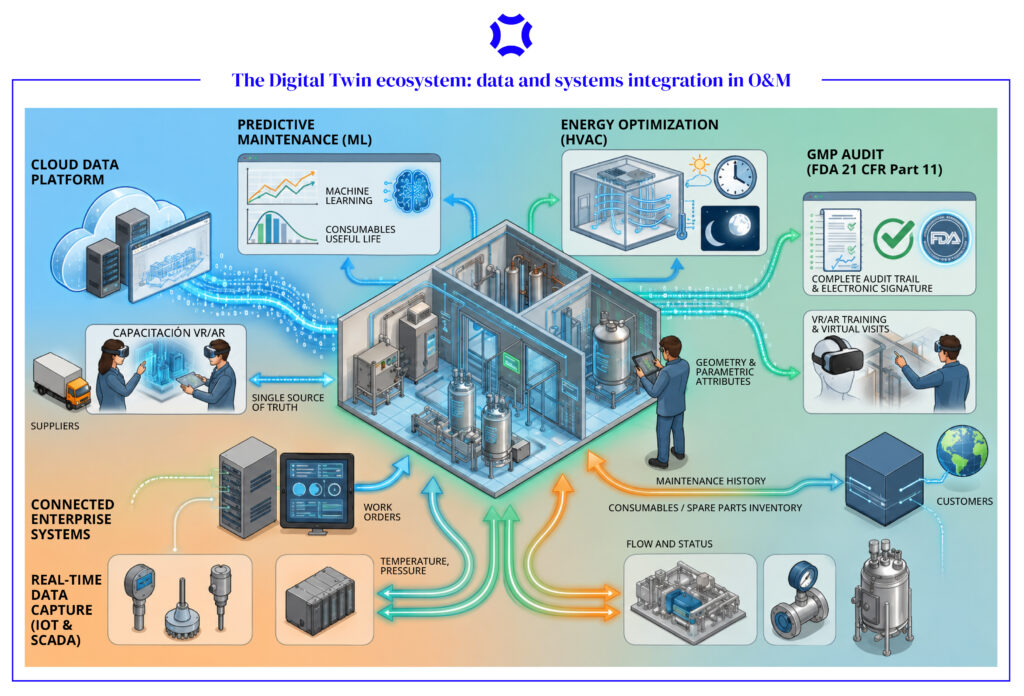
Figure 3. The Digital Twin Ecosystem: Data and Systems Integration in O&M
Success Stories and Market Outlook
The adoption of Digital Twins in pharmaceutical manufacturing is experiencing explosive growth, with a projected compound annual growth rate of 31.3% through 2034. These technologies deliver increases in production capacity of up to 40% and reductions in facility turnaround times of up to 20%[3].
Industry giants have already endorsed this approach:
- Roche has demonstrated at its Basel campus that investing in a Digital Twin enables comprehensive asset lifecycle management through the integration of sensors into BIM models[4].
- Merck uses digital twins at its Darmstadt plants to accelerate time-to-market and set new standards in digital transformation[5].
- Grifols, a leader in blood products, used BIM from the conceptual phase onward in its new plasma fractionation plant, with internal departments dedicated exclusively to the transition to the Digital Twin[6].
From an efficiency standpoint, studies by Dodge Data & Analytics[7] indicate a massive reduction in maintenance costs for complex projects, such as the Carolinas Healthcare System, which managed to reduce the time needed to process space management data from 40 hours to just 1 hour thanks to automated transfers from the model. Similarly, research published in the Journal of Building Engineering indicates that the use of digital twins and artificial intelligence in HVAC systems can reduce energy costs by 10%[8] and maintenance costs by more than 30%, while extending the mean time between equipment failures by 45%[9].
Conclusion
The adoption of BIM and its evolution toward a Digital Twin during the operations and maintenance phase is not an optional technological luxury, but a competitive necessity in the pharmaceutical and biotechnology sectors. Moving from reactive management based on static documents to proactive management based on spatial and parametric data not only saves costs but also raises quality and safety standards.
For Klinea, delivering a project in BIM format is like delivering a living organism. It means providing the client with the ultimate tool so that their plant not only produces today, but also evolves, remains operational, and excels in meeting the regulatory and production challenges of the coming decades. The future of pharmaceutical manufacturing is digital, and that future is built on the foundation of a well-managed Digital Twin.
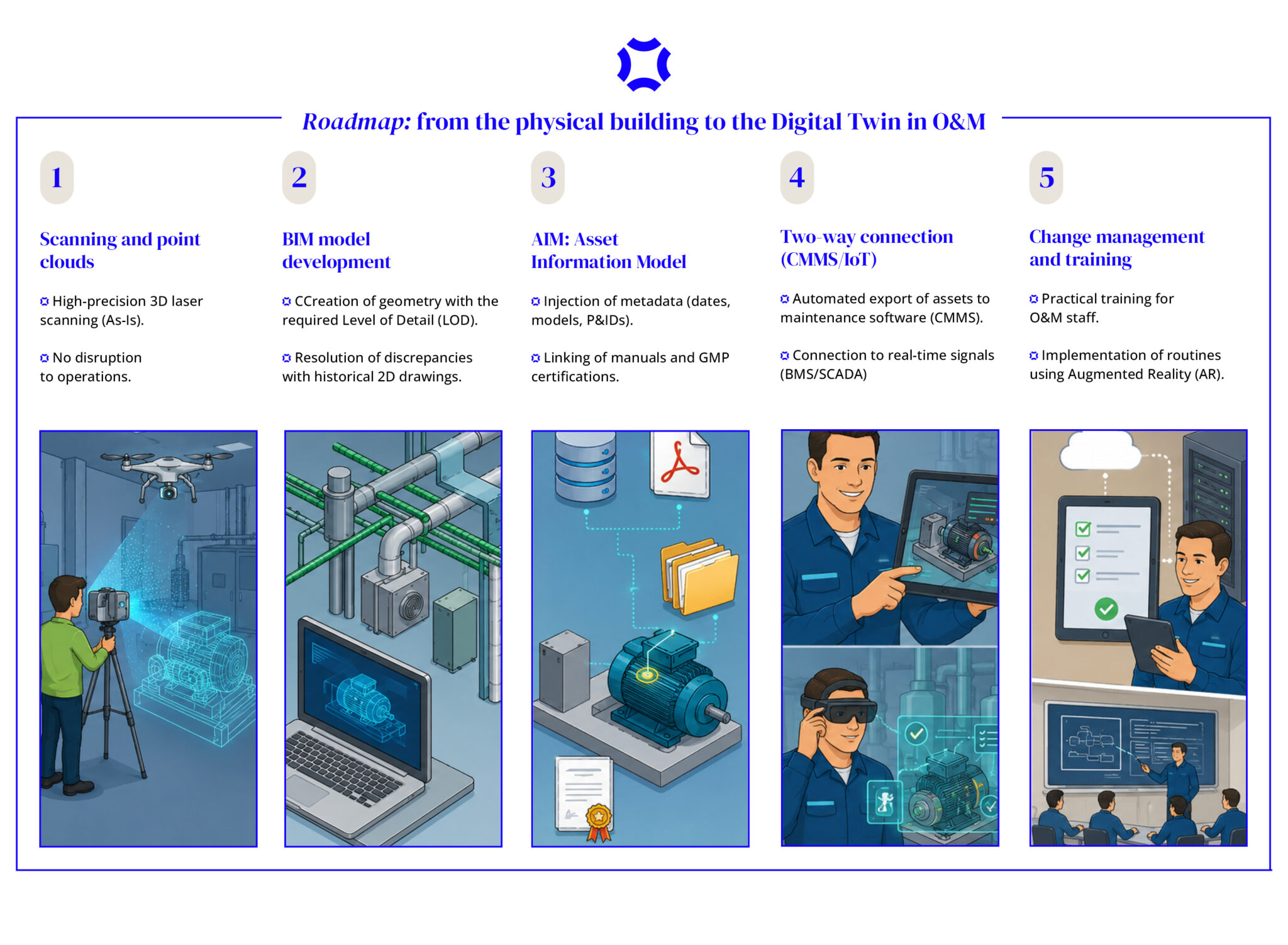
Figure 4. Roadmap: From the Physical Building to the Digital Twin in O&M
Bibliography
[1] British Standards Institution. (2013). Guide for Life Cycle Costing of Maintenance During the In-Use Phases of Buildings (BS 8544:2013).
[2] National Institute of Building Sciences. (2024). Construction to Operations Building Information Exchange (COBie) V3.
[3] World Pharma Today. (n.d.). Using digital twins to optimize pharmaceutical plant performance. <https://www.worldpharmatoday.com/biopharma/using-digital-twins-to-optimize-pharmaceutical-plant-performance/> [Accessed April 23, 2026].
[4] IntuitionLabs. (n.d.). Roche NVIDIA AI Factory: Digital Twins for GLP-1 Pharma. <https://intuitionlabs.ai/articles/roche-nvidia-ai-factory-glp-1-digital-twins> [Accessed April 23, 2026].
[5] Siemens. (April 17, 2024). Merck and Siemens Deepen Strategic Partnership to Accelerate AI and Data-Driven Drug Discovery and Development [Press Release]. <https://press.siemens.com/global/en/pressrelease/merck-and-siemens-deepen-strategic-partnership-accelerate-ai-and-data-driven-drug> [Accessed April 23, 2026].
[6] Grifols. (n.d.). Grifols Opens New State-of-the-Art Manufacturing Plant in Ireland to Meet Growing Global Demand for Plasma-Derived Medicines. <https://www.grifols.com/es/view-news/-/news/grifols-inaugurates-new-state-of-the-art-manufacturing-plant-in-ireland-to-meet-growing-global-demand-for-plasma-medicines> [Accessed: April 23, 2026].
[7] Dodge Data & Analytics. (2015). Measuring the Impact of BIM on Complex Buildings (SmartMarket Report).
[8] Chul Ho, K. & Da Woon, J. (2026). AI-based dynamic predictive control and energy optimization for semiconductor FAB HVAC systems using digital twin technology. Journal of Building Engineering, Volume 117.
[9] Ruonan, W. (2026). A data-driven predictive maintenance framework for smart buildings: Integrating digital twins and machine learning in HVAC systems. Journal of Building Engineering, Volume 1