
Written by:
Carles Salcedo, Director of Operations at Klinea Biotech & Pharma Engineering.
Automation has become one of the major goals of today’s pharmaceutical industry. However, “automation” is a broad concept that can mean many different things depending on the type of facility, the production process, and the organization’s level of technological maturity.
When this concept needs to be applied to the design of a new pharmaceutical plant or the modernization of an existing facility, it is necessary to translate that general idea into concrete, practical, and sustainable solutions from both a technical and economic standpoint. Furthermore, when it comes to manufacturing processes that still rely heavily on manual or “artisanal” labor, the potential for improvement is enormous—but so are the expectations and associated risks.
Another key concept is digitization. By digitization, we mean the strategic integration of all the digital technologies we have at the plant, with the goal of having the data is controlled, always available, and secure.
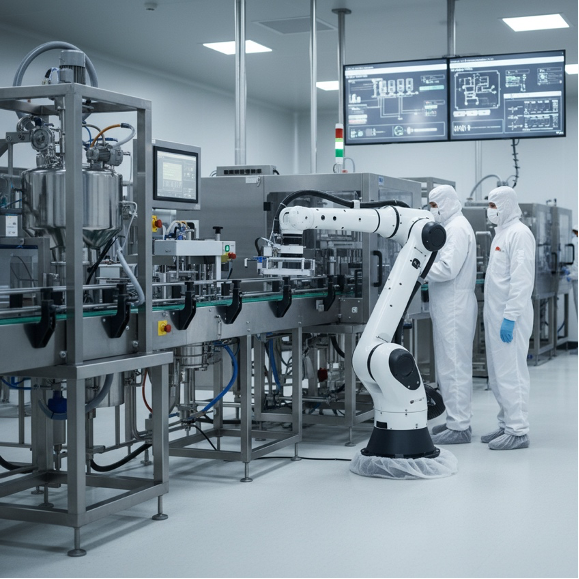
Figure 1. Integration of advanced robotics into pharmaceutical production lines.
Automation is not merely a matter of installing a SCADA system capable of monitoring process variables and remotely controlling the facility. True automation involves redesigning operations, reducing reliance on human intervention, and increasing the repeatability, traceability, and robustness of the production process.
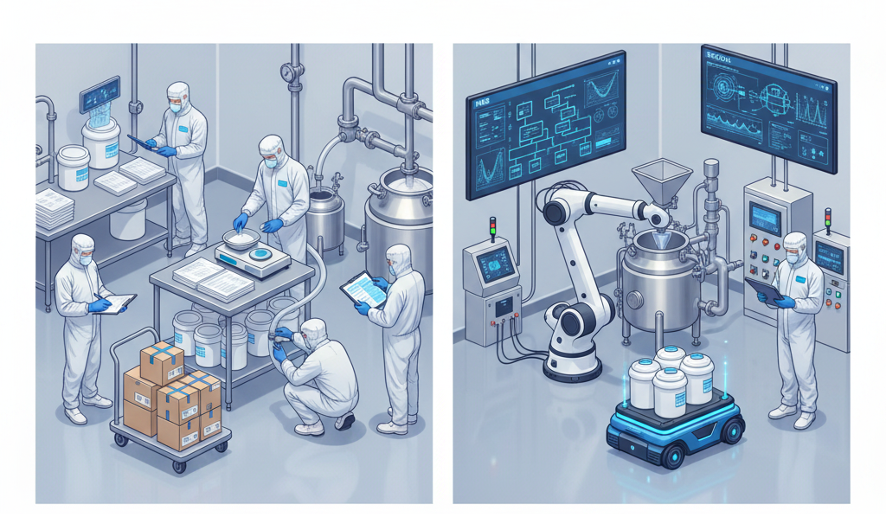
Figure 2. Workflow Comparison: From Manual Processes to Full Automation.
When considering the automation of a pharmaceutical plant, there are several key principles that should guide any transformation strategy:
- Identify operational bottlenecks to prioritize investments.
- Select production equipment that minimizes manual intervention.
- In particular, reduce the routine and repetitive tasks performed by operators.
- Focus on the manufacturing process itself to improve automation, safety, and the repeatability of operations.
- Automate data capture on the shop floor and subsequent data management (connected sensors, PoG (PaperOnGlass) systems, eBR MES (Manufacturing Execution System, electronic Batch Record) systems, all under ERES (Electronic Record / Electronic Signature))
- Study the interoperability/interconnectivity of equipment and systems (IT/OT)
- Ensure that any automation is economically sustainable.
- Maintain and ensure the validation and GMP compliance of the process.
Thoroughly understanding the process is the real challenge, as it allows us to distinguish which operations can be successfully automated and which still require human intervention.
Although technology is advancing, there are still many tasks in pharmaceutical factories that are done by hand or with little assistance from machines.
To improve a pharmaceutical plant technologically, it is necessary to identify bottlenecks in production and prioritize investments in machinery that reduces manual labor. The goal is to eliminate repetitive tasks so that manufacturing is faster, safer, and more consistent.
It is essential to digitize information using sensors and systems that eliminate the need for paper, ensuring that the data and electronic signatures are valid. In addition, we must ensure that all machines communicate with one another, guaranteeing that the project is cost-effective and consistently meets quality standards.
The big challenge is determining what can be successfully automated. Today, many tasks are still performed manually, such as weighing ingredients, transporting samples, loading materials, or cleaning complex equipment. Even the management of signatures and documents remains manual in many cases, which presents a huge opportunity to modernize the plant and prevent errors.
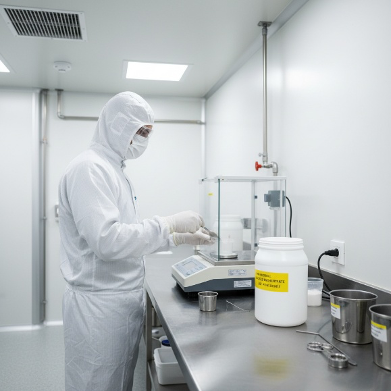
Figure 3. Weighing operations with guaranteed traceability in accordance with GMP protocols.
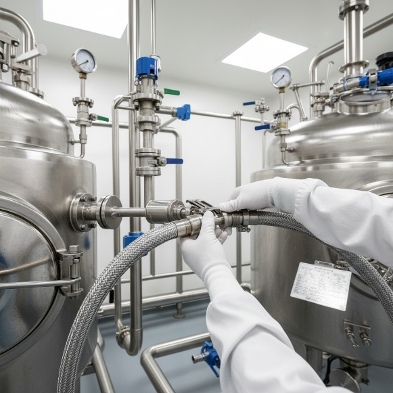
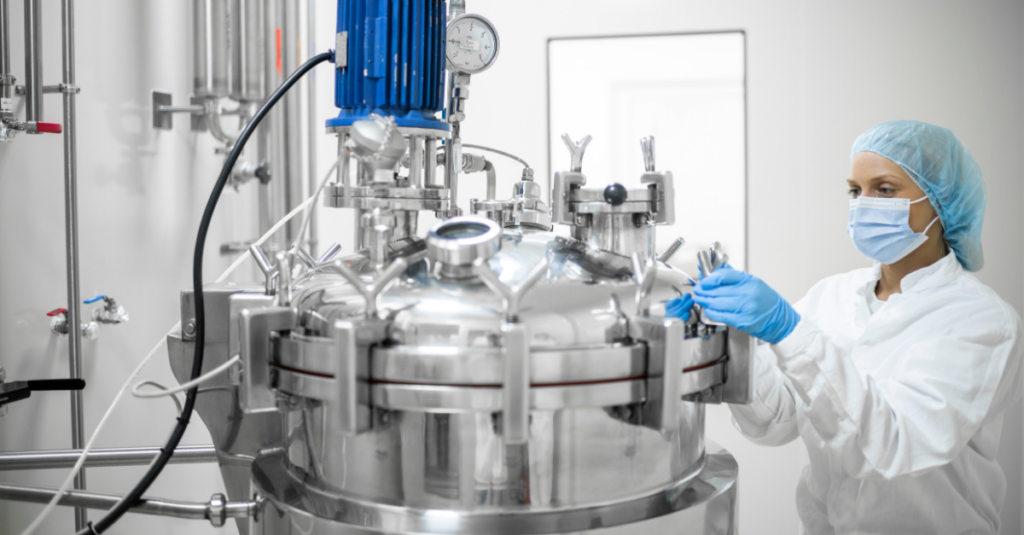
Figure 4. Connection of technical hoses for reactor loading and unloading processes.
Each of these processes requires a specific analysis. A detailed understanding of the operation is essential for determining, for example:
- When does it make sense to implement collaborative robots (cobots)?
- Where an AGV system for automated transport can add value.
- Which operations can benefit from automatic dosing systems?
- When is it advisable to completely redesign the production system—for example, by switching from small-volume open vessels to larger-capacity closed reactors?
- Which tasks should remain manual for technical, regulatory, or economic reasons?
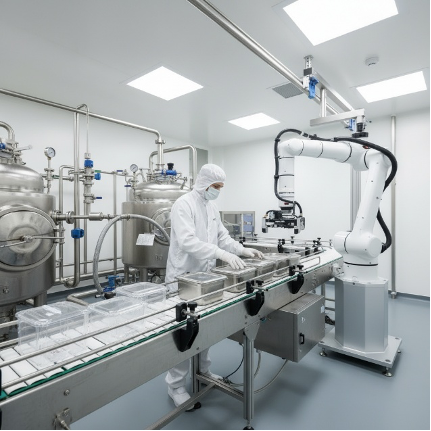
Figure 5. Technical support using cobots for assembly and quality control in production environments.

Figure 6. Implementation of automated guided vehicles (AGVs) to optimize internal logistics flow within the plant.
Effective automation should not be viewed solely as a replacement of workers with technology. Its true objective should be to increase process safety, improve the repeatability of operations, reduce the risk of human error, and optimize the plant’s overall efficiency.
In this context, process engineering plays a key role. Before automating, it is essential to understand how the plant actually operates, how operators interact with the process, and which operations are critical from a production and GMP standpoint.
Only with that knowledge is it possible to design automation solutions that are robust, scalable, and aligned with actual manufacturing needs.
Pharmaceutical automation in the future will not simply involve incorporating more technology, but rather intelligently integrating processes, equipment, and people into production environments that are increasingly efficient, safe, and traceable.
And that’s where Klinea can be the best partner to have by your side.
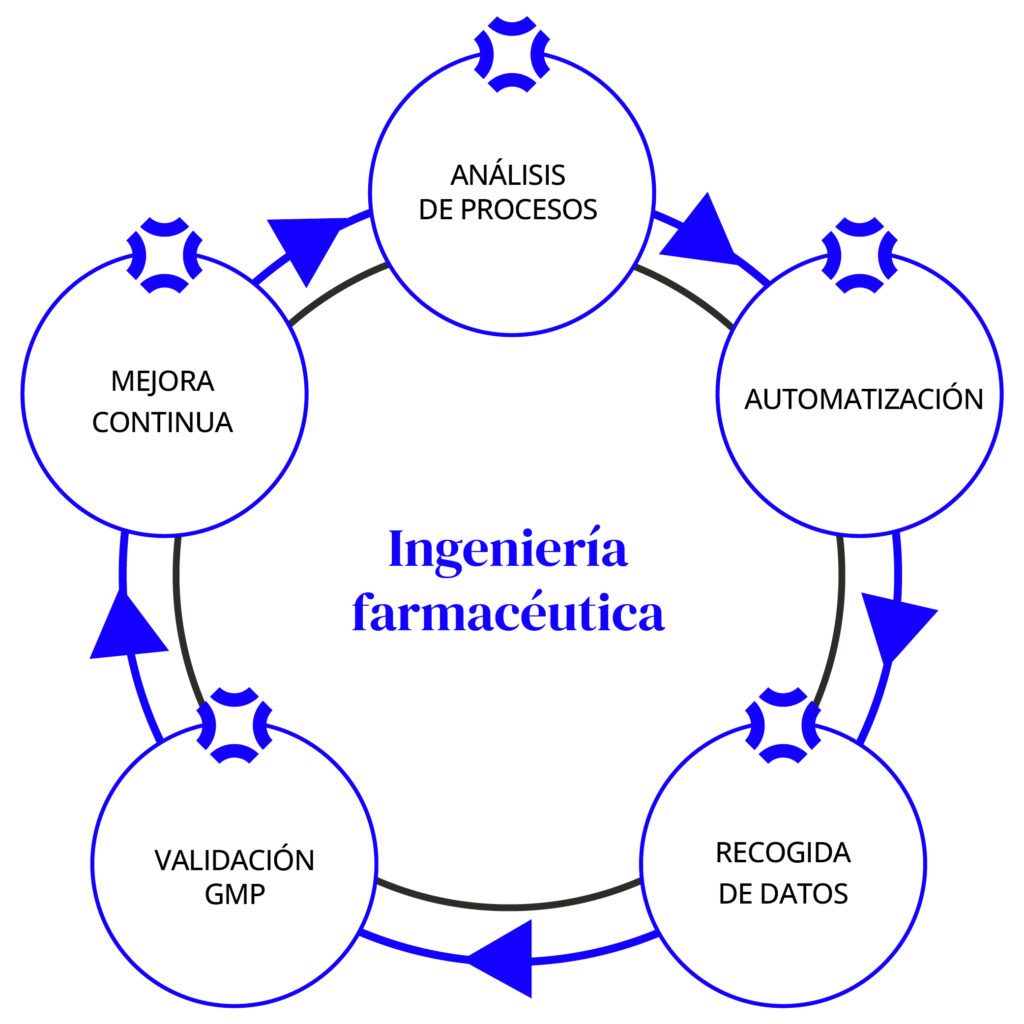
Figure 7. Ecosystem Comprehensive services ecosystem: automation, data collection, and GMP validation.
Bibliography
- The Pathway to Operational Excellence in the Pharmaceutical Industry https://www.ecv.de/leseproben/735002.pdf
- Pharmaceutical Manufacturing Handbook: Production and Processes – Shayne Cox Gad.
- Digital Transformation in Pharmaceutical Manufacturing – Journal of Pharmaceutical Innovation.
- AGVs and AMRs in GMP Logistics – Pharmaceutical Technology Europe.